
How to Pack a Weekend Travel Backpack Like a Pro: Space-Saving Hacks
Friday evening. The trip is booked, the excitement is real, and then you're standing over an open bag wondering how two days' worth of clothes, shoes, chargers, and a toiletry kit are supposed to fit into something you also use to carry your laptop to work on Monday. Sound familiar? Packing well isn't about owning more bags — it's about packing smarter. And if the same office backpack for men that gets you through your work week is also your go-to for weekend trips, a few space-saving techniques can make it perform like a dedicated weekend travel backpack without you needing to buy anything new.
Here's how to pack like someone who's done this a hundred times, even if this is your first weekend trip in months.
Start With What Your Backpack Is Actually Built For
Before you pack anything, understand your bag's structure. Most office backpacks for men are designed around a laptop compartment, a few organizer pockets, and one main storage area — not multiple zones for clothes, shoes, and toiletries the way a dedicated travel pack is. Knowing this upfront helps you pack around the bag's real limitations instead of fighting them.
If your backpack has a laptop sleeve you won't be using over the weekend, that space becomes valuable — flat items like a folded jacket or a tablet case can slide in there instead of taking up room elsewhere.
The Roll, Don't Fold, Rule
This is the single biggest space-saver in weekend packing. Folded clothes create air pockets and wrinkle at the creases. Rolled clothes compress tighter, resist wrinkling better, and are easier to see at a glance when you're digging for a specific t-shirt.
A simple system: roll each item individually, then stack rolls vertically rather than horizontally. Standing rolls up like books on a shelf uses your bag's height more efficiently than laying them flat.
Use the Dead Space Nobody Thinks About
Every backpack has wasted space, and most people never use it:
-
Inside your shoes — socks, chargers, or a rolled belt can tuck into shoe cavities without taking up separate room
-
Side pockets — often reserved for water bottles, but a rolled pair of socks or a phone charger fits just as well
-
The gap between your laptop sleeve and the main compartment — flat items like a paperback, a tablet, or documents slide in here easily
Packing isn't just about fitting things in — it's about noticing the space you're already carrying but not using.
Layer by Weight and Frequency of Use
Pack heavier items — shoes, a toiletry kit, a jacket — closer to your back and toward the bottom of the bag. This keeps the load stable and prevents the bag from feeling top-heavy or pulling backward when you walk. Items you'll need mid-trip, like a change of clothes for day two, go in the middle. Anything you'll need immediately — your phone charger, a face mask, travel documents — stays in the top or front pocket where you can grab it without unpacking everything else.
Compress Where You Can
If your office backpack for men doesn't have built-in compression straps, small packing cubes or even large ziplock bags do the job just as well. Squeezing air out of soft items like t-shirts or a light jacket can free up a surprising amount of room — often enough to fit one extra outfit without the bag feeling any fuller.
Multi-Purpose Everything
Packing for a short trip is really about efficiency, not minimalism for its own sake. A few swaps that consistently save space:
-
Wear your bulkiest item — jacket, hoodie, or boots — while traveling instead of packing it
-
Choose one pair of shoes that works for both daytime and evening plans, rather than packing two
-
Pick a toiletry kit with travel-sized bottles instead of bringing full-size products
-
Bring one neutral-colored outfit combination that can be mixed and matched rather than three completely separate looks
The Weekend Packing Checklist
A quick mental run-through before you zip up:
-
One to two outfit changes, rolled and stacked vertically
-
Toiletries in a compact, spill-proof pouch
-
Chargers and cables tucked into shoe cavities or side pockets
-
A change of underwear and socks stored in the smallest gaps
-
Documents, wallet, and phone kept in the most accessible pocket
-
A foldable tote or empty ziplock bag packed flat, for dirty laundry on the way back
Why the Right Backpack Makes This Easier
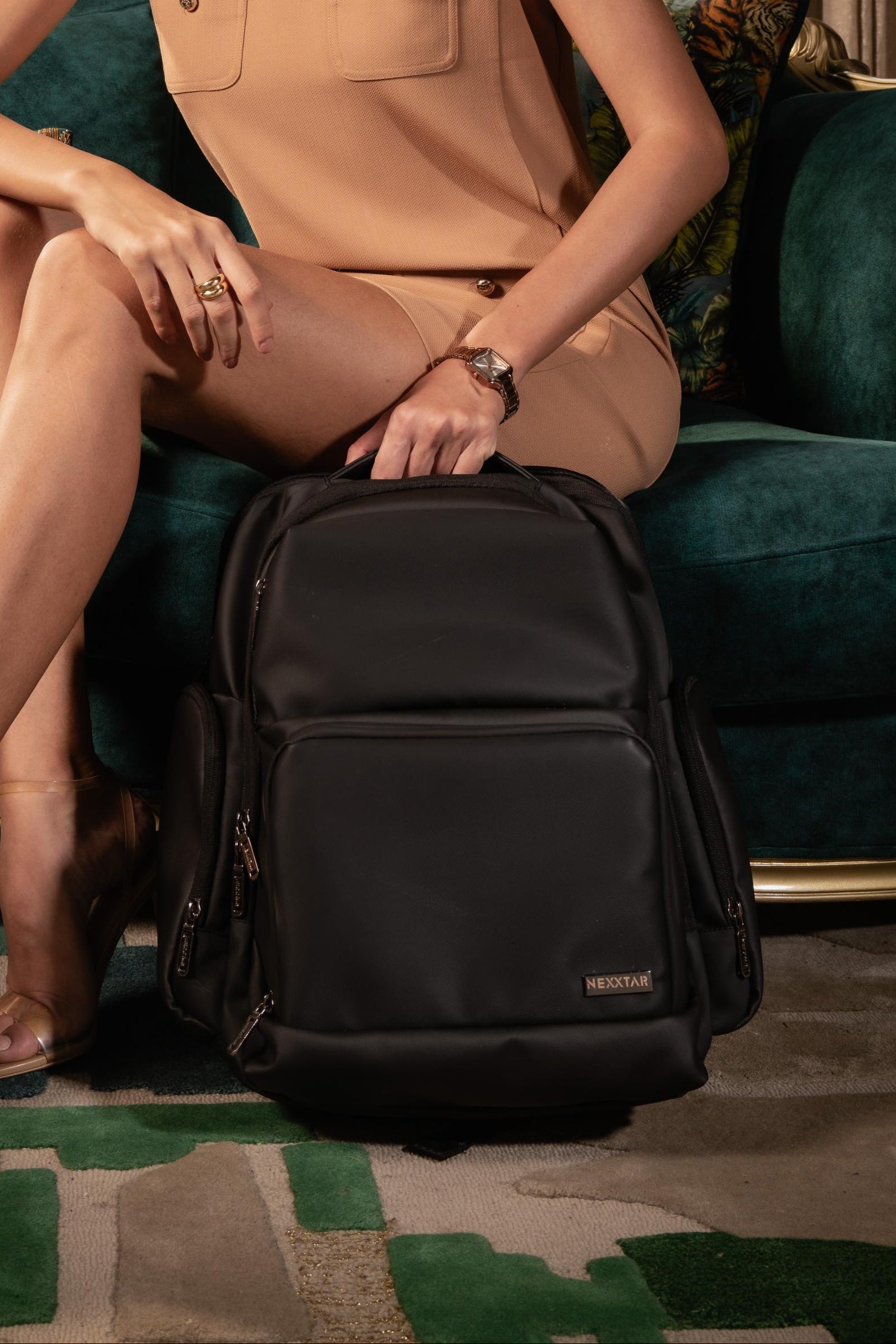
Packing hacks only go so far if the bag itself isn't built for flexibility. A well-designed office backpack for men that also handles weekend travel duty should have a few non-negotiables: a spacious main compartment that isn't overly divided, a laptop sleeve that can double as flat storage when needed, water-resistant fabric for unpredictable weather, and straps padded enough to stay comfortable even when the bag is packed heavier than usual.
If your current bag constantly feels like it's working against you on trips, it might not be a packing problem — it might be a bag problem. But for most men, the backpack that already gets them through the work week can absolutely pull double duty for a weekend getaway, as long as you pack it with a bit of strategy instead of just stuffing it and hoping for the best.
The Bottom Line
Packing well isn't about cramming more in — it's about using the space you already have more intentionally. Roll instead of fold, use every dead corner, and layer by weight, and you'll find that a solid office backpack for men can handle a weekend trip just as well as a dedicated travel pack, minus the extra bag cluttering your closet the rest of the week.